
Backstreet Boys Seek Voice Trademarks to Combat AI Deepfakes
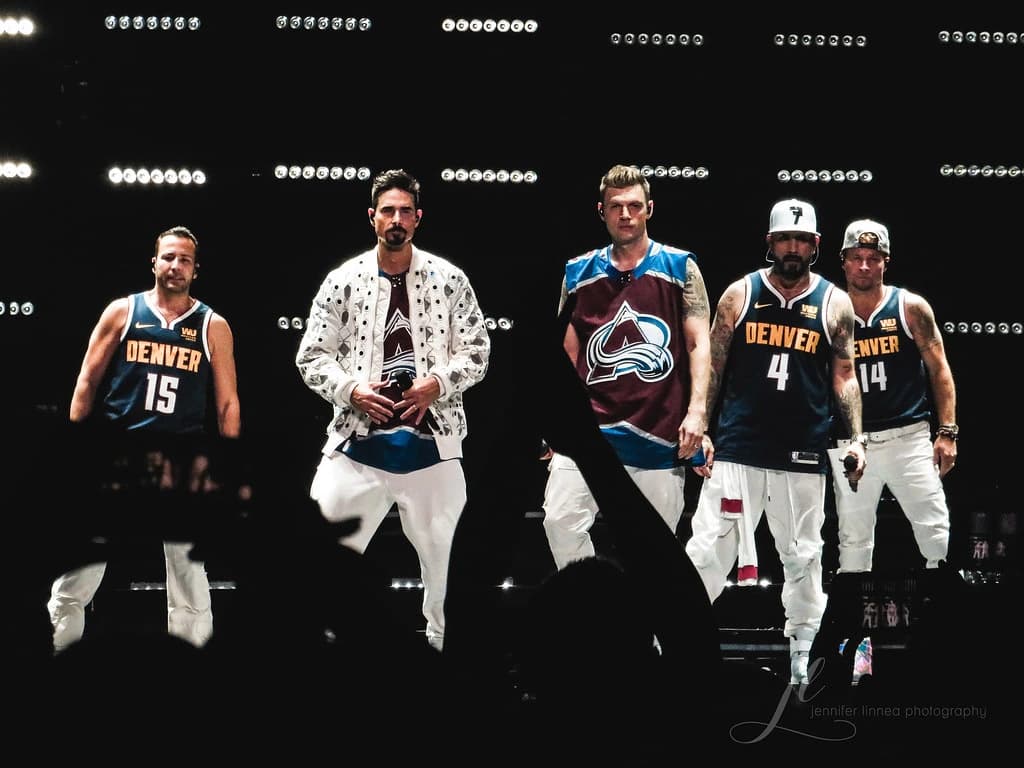
The Backstreet Boys are the latest musicians aiming to secure trademarks for the sound of their voices. The legendary '90s group is following in the footsteps of Taylor Swift and other major artists desperately seeking legal safeguards against the surging threat of AI voice cloning and deepfakes.
According to filings submitted to the U.S. Patent and Trademark Office on Wednesday, June 24, the boy band is attempting to register a specific audio clip of the five members shouting, “Hi, we’re the Backstreet Boys,” in unison. The move was initially spotted by independent trademark lawyer Josh Gerben, and the group’s legal representation has yet to offer official comments as of Friday.
Trademarking audio is an uncommon legal strategy. While corporations like NBC (with its iconic chimes) and AFLAC (with its recognizable duck quack) successfully hold sound trademarks, the law is traditionally used to protect visual assets like brand names and logos that help consumers identify specific goods.
However, as generative AI makes it alarmingly easy to clone vocals, artists are scrambling for solutions to combat misleading online content. Historically, right of publicity laws protected a person's likeness and voice, but these state-level statutes have major gaps and lack a unified federal equivalent designed to tackle modern tech issues.
A potential permanent fix, the NO FAKES Act, recently cleared a significant Congressional committee hurdle and is gaining bipartisan support. This proposed federal bill would explicitly prohibit digital voice or visual replicas and mandate that tech platforms remove unauthorized deepfakes.
Until such legislation is enacted, artists are leaning on temporary workarounds, including copyright claims and these novel voice trademarks. Taylor Swift submitted a trademark application for the phrase "Hey, it's Taylor" back in April, while Lionel Richie filed for his iconic "Hello, is it me you're looking for?" lyric earlier in June.
Whether these trademark filings will actually hold up in court remains to be seen. Trademark law is designed to safeguard specific commercial symbols, not a person's overall identity. Even if the Backstreet Boys secure the trademark, it may not grant them the legal authority to prevent AI users from generating completely different phrases using their cloned voices. Furthermore, simply securing the trademark will be an uphill battle, as the band must first demonstrate that consumers directly associate this brief audio clip with particular commercial goods or services.